Wild Earth 6, no. 2
Wild Earth 6, no. 2 features Bill McKibben on nature writing and common ground, Laura Westra writes about ecosystem integrity, sustainability, and the “Fish Wars”, and W. O. Pruitt explains “The Caribou Commons.”
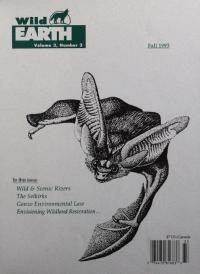
Wild Earth 3, no. 3 features articles on protecting biodiversity in the Selkirk Mountains, preserving biodiversity in caves, restoring the Wild Atlantic Salmon, and changing state forestry laws.
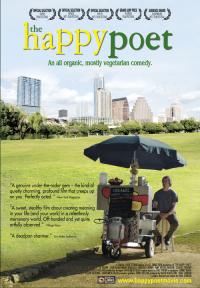
This comedy drama is about a struggling poet who starts a healthy food stand to change the way people eat, and faces the complicated challenges of fighting against the system.
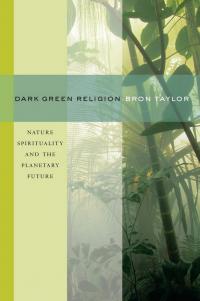
Bron Taylor examines the evolution of “green religions” in North America and beyond.
McQuaid advances the view that NASA consistently misread the importance of the most popular science-based political movement of the late twentieth century.
Thomas R. Dunlap discusses the development of birding and its long-term public influence in the USA through the history of field guides.
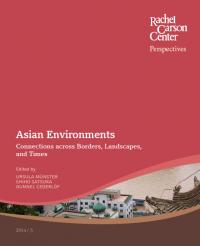
This issue of RCC Perspectives offers insights into similarities and differences in the ways people in Asia have tried to master and control the often unpredictable and volatile environments of which they were part
Greear examines the contemporary trend toward de-industrialized and decentralized production and its implications for ecological sustainability. He suggests we can understand the potential positive ecological implications of such trends by reconceptualizing “incomplete information” in markets, which is often understood as a key way in which markets fail to solve or forestall environmental problems.
Hagood looks at Rachel Carson’s earlier popular publications on the natural history of the oceans and their impact on Silent Spring (1962).
Allan Curtis and Terry De Lacey analyze perceptions of the Australian grassroots movement “Landcare” through landholder surveys, thereby discussing wider concepts of natural resource management, stewardship and sustainable agriculture in Australia.