


Perspectives
The Good Muck: Toward an Excremental History of China
This monograph explores the history of the use of human excrement as agricultural fertilizer in China.
This monograph explores the history of the use of human excrement as agricultural fertilizer in China.

In this chapter of her virtual exhibition, “Human-Nature Relations in German Literature,” Sabine Wilke examines mountains and glacial environments in German-language literary descriptions. Whereas the German Romantic poets still highlighted mountainous nature as deeply ambiguous, Goethe’s Faust tried to understand mountainous nature in its materiality through scientific studies. Modernism focuses on the more often destructive results of human-nature entanglements. For the German-language version of this exhibition, click here.
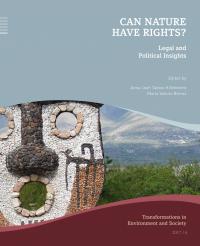
The authors of this volume explore the potential value and challenges of the Rights of Nature concept by examining legal theory, politics, and recent case studies.

At the 1873 Viennese World’s Fair, the botanist Friedrich Haberlandt became enchanted with the vision of integrating soyfoods into European diets as a cheap source of protein.
Jens Kersten outlines the five possible ways of framing Nature that currently exist within our legal system.
Tabios Hillebrecht examines layers of power involved in human-nature relations, and how they can undermine Rights of Nature.
Mariqueo-Russell highlights the mutually supportive relationship between Rights of Nature and the Precautionary Principal.
Brara relates a story of contemporary India in the process of transition, where legal approaches to Nature are changing.
Berros describes some of the first cases in which Rights of Nature was directly referenced in the courts of Ecuador.
This article looks afresh at the environmental history of Russia by starting from the perspective of some bears in Siberia.