Weather Matters
“Understanding the human implications of climate change,” the tagline of the Weather Matters hub, reveals it as a space for conversation among scholars and stakeholders concerned about climate change.
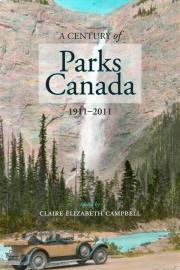

Over the past century, the Parks Canada agency has been at the center of important debates about the place of nature in Canadian nationhood and relationships between Canada’s diverse ecosystems and its communities. This edited volume explores its history as a rich repository of experience, of lessons learned—critical for making informed decisions about how to sustain the environmental and social health of Canada’s national parks.
Network in Canadian History and Environment (NiCHE) is a Canadian-based confederation of researchers and educators who study nature and humans in Canada’s past.
Combating malaria through travel, diet, natural remedies, and architecture in early modern England.
A visual poem (in English and Hawaiian) that pays tribute to Maunakea, a mountain on the island of Hawai`i.
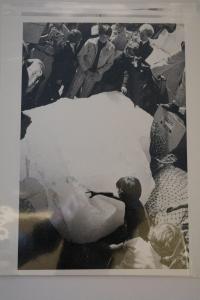
The First International Conference on Iceberg Utilization, held at Iowa State University in October 1977, contributed to the formation of nascent hydrologics in the late 1970s.
Frawley’s essay explores oyster populations and technologies in southern Queensland in the late nineteenth century.
Cushing uses the voyage of the First Fleet to illustrate the shift in hierarchies and power relations between humans and animals.
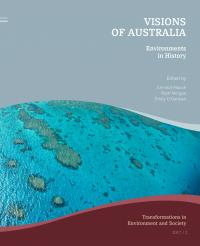
An exploration of the ideas of two postwar Australians, William Hatfield and Flexmore Hudson.
An examination of the role played by Chinese immigration to New Zealand and Australia in the understanding of the environment.