Multimedia | film profile
The Tundra Book
The Tundra Book provides a rare and poetic glimpse into a man determined to preserve his people’s ancient culture, beliefs, and traditions.
The Tundra Book provides a rare and poetic glimpse into a man determined to preserve his people’s ancient culture, beliefs, and traditions.
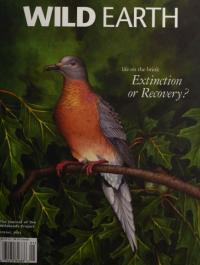
Wild Earth 12, no. 1, focuses on the causes, processes and recovery chances of biodiversity loss. It spotlights the Rocky Mountain locust, the passenger pigeon, wolves in Yellowstone, and the black-tailed prairie dog.

In this Springs article, historian Paul S. Sutter considers the “Knowledge Anthropocene” as well as deep time in George Perkins Marsh’s understanding of the construction of Panama’s Darién canal.
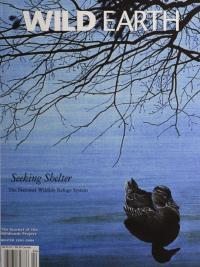
Wild Earth 13, no. 4, focuses on the National Wildlife Refuge System with essays on its history, the wildlife refuge in Southeastern Oregon, wildlands ofthe Great Plains, and pronghorn extinction in the Sonoran Desert.

On his Apollo mission in 1968, astronaut Bill Anders shot one of the most well-known photographs of the Earth—“Earthrise.” It became a symbol for the fragility of the Earth and an icon for the environmental movement that soon followed.

A farmer on the !Garib/Orange river in Namibia uses historical flood markers to challenge eviction in the post-apartheid landscape.

This film follows a diverse group of women from around the world as they attend the Barefoot College in India. The college teaches them solar engineering skills to allow them to contribute to their communities and improve their daily lives, but societal and familial pressure proves challenging.

Libby Robin discusses animals in museums, and how taxidermy has changed from art in the service of science to the backbone of art itself, both in museums and beyond.