

Multimedia | book profile
Animal, Vegetable, Mineral: Ethics and Objects
Contributing authors examine what happens when we cease to assume that only humans exert agency, by considering animals and vegetables as agents rather than mere objects.
Contributing authors examine what happens when we cease to assume that only humans exert agency, by considering animals and vegetables as agents rather than mere objects.
This collection of essays maps the heterogeneous and asymmetrical ecologies within which we are enmeshed, a material world that makes the human possible but also offers difficulties and resistance.
Drawing on Continental theory and various cultural objects, On an Ungrounded Earth constructs an eclectic geosophy describing Earth as a dynamic engine materially invading and upsetting our attempts to reduce it to merely the ground beneath our feet.

This book packs into one slender volume a sweeping tale of fire, and humanity’s interactions with fire, from prehistory to the dawn of the twenty-first century.
Through histories of extremely cold environments, this volume makes a novel intervention in Cold War historiography.
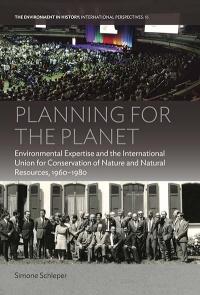
This book reveals how IUCN experts struggled to make global schemes for nature conservation a central concern for UNESCO, UNEP and other intergovernmental organizations.
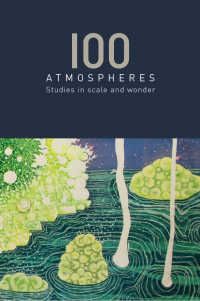
Through speculative, poetic, and provocative texts, thirteen writers and artists have come together to reflect on human relationships with other species and the planet.
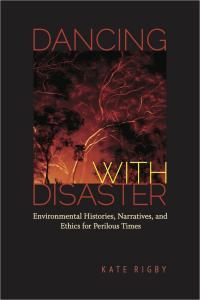
Kate Rigby examines a variety of past disasters, from the Black Death of the Middle Ages to the mega-hurricanes of the twenty-first century, revealing the dynamic interaction of diverse human and nonhuman factors in their causation, unfolding, and aftermath. Focusing on the link between the ways disasters are framed by the stories told about them and how people tend to respond to them in practice, Rigby also shows how works of narrative fiction invite ethical reflection on human relations with one another, with our often unruly earthly environs, and with other species in the face of eco-catastrophe.
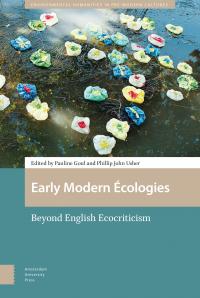
Early Modern Écologies is the first collective volume to offer perspectives on the relationship between contemporary ecological thought and early modern French literature.
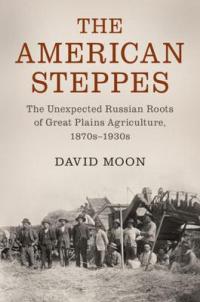
Excerpt from The American Steppes: The Unexpected Russian Roots of Great Plains Agriculture, 1870s–1930s by former Rachel Carson Center fellow David Moon.