


Multimedia | book profile
The Monkey Wrench Gang
The Monkey Wrench Gang fueled a new generation of angry young environmentalists (such as Earth First!) who practice monkey-wrenching, or sabotage for the sake of protecting the wilderness.
The Monkey Wrench Gang fueled a new generation of angry young environmentalists (such as Earth First!) who practice monkey-wrenching, or sabotage for the sake of protecting the wilderness.
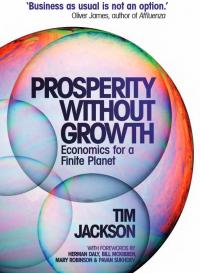
In Prosperity without Growth, Tim Jackson—a sustainability adviser to the UK government—makes a compelling case against continued economic growth in developed nations.

Child advocacy expert Richard Louv directly links the lack of nature in the lives of today’s wired generation—he calls it nature-deficit—to some of the most disturbing childhood trends, such as the rises in obesity, attention disorders, and depression.

Bill Bryson introduces the history and ecology of the Appalachian Trail.

Moral Ground presents a diverse and compelling call to honor our individual and collective moral responsibility to our planet.
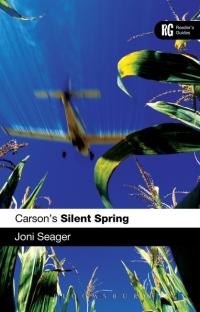
Carson’s Silent Spring: A Reader’s Guide provides an in-depth analysis and contextualization of Silent Spring. It also surveys the lasting impact the text has had on the environmentalist movement in the last fifty years.
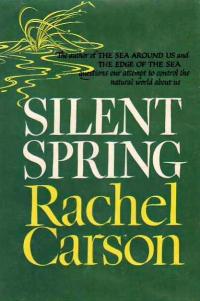
Silent Spring describes the harmful effects of pesticides on the environment, and is widely credited with helping launch the environmental movement.

Author, educator, and environmentalist Bill McKibben issues an impassioned call to arms for an economy that creates community and ennobles our lives.

The Ant Spider Bee blog explores, discusses, and reflects on digital humanities practices, methodologies, and applications in environmental humanities work.

This project examines the history and legacy of arsenic contamination at Giant Mine, a large gold mine located on the Ingraham Trail just outside of Yellowknife, Northwest Territories, Canada.