“A 40-Year Plan for Energy”
Energy innovator Amory Lovins shows how to get the United States off oil and coal by 2050 cheaply and easily, by integrating sectors as well as innovations.
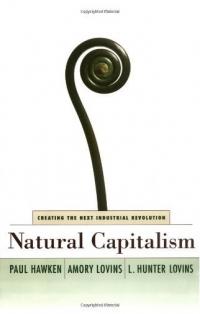
Natural Capitalism: Creating the Next Industrial Revolution reveals how today’s global businesses can be both environmentally responsible and highly profitable.
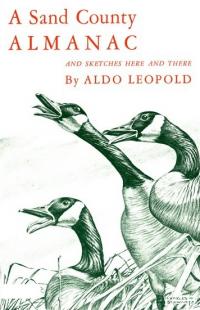
Aldo Leopold’s A Sand County Almanac has enthralled generations of nature lovers and conservationists and is indeed revered by everyone seriously interested in protecting the natural world.
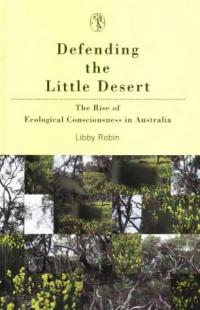
The Little Desert dispute of 1968 was a watershed in Australian environmental politics, marking the beginning of a new consciousness of nature.
The Global Environments Summer Academy (GESA) is designed to broaden and deepen the knowledge, networking, and communication skills of postgraduate students, professionals, and activists who are concerned about human dimensions of environmental challenges.
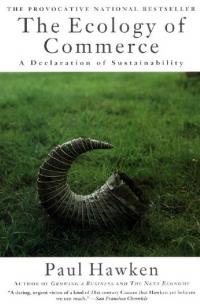
The Ecology of Commerce outlines the environmentally destructive aspects of many current business practices, and offers the vision of businesses adopting new practices to promote environmental restoration.
First published in 1977, Steady-State Economics caused a sensation because of Herman E. Daly’s radical view that “enough is best.”
The Population Bomb criticizes overpopulation and advocates instant action to limit population growth. The author justifies his arguments with huge starvation threats and other trouble spots.
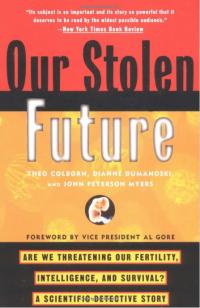
Our Stolen Future examines the ways that certain synthetic chemicals interfere with hormones in humans and wildlife, especially in the development of the fetus in the womb.
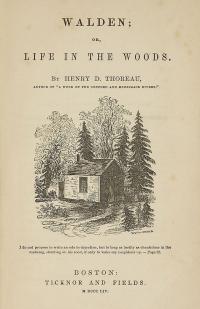
First published in 1854, Walden details Thoreau’s experiences over the course of two years in a cabin amidst woodland near Walden Pond.