Rural Masculinities in Tension: Barriers to Climate Change Adaptation in Nicaragua
Noémi Gonda explores how the masculine figure of the cattle rancher plays a part in local explorations of climate change adaptation in Nicaragua.
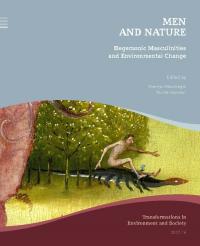
Jody Chan and Joe Curnow analyze the different gender and race dynamics in the student climate movement, asking why White men’s participation is constructed as being more valuable.
Nicola von Thurn’s statement on her art installation, Staged Wilderness and Male Dreams, based on the RCC workshop “Men and Nature.”
This essay examines environmental thought in China and the West to propose an “ecological history” that offers new ways to think about the human/nature relationship.
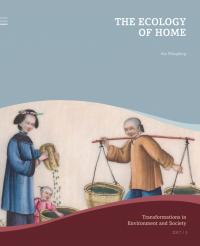
This monograph explores the history of the use of human excrement as agricultural fertilizer in China.
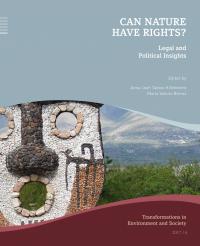
The authors of this volume explore the potential value and challenges of the Rights of Nature concept by examining legal theory, politics, and recent case studies.
Jens Kersten outlines the five possible ways of framing Nature that currently exist within our legal system.
Tabios Hillebrecht examines layers of power involved in human-nature relations, and how they can undermine Rights of Nature.
Mariqueo-Russell highlights the mutually supportive relationship between Rights of Nature and the Precautionary Principal.
Brara relates a story of contemporary India in the process of transition, where legal approaches to Nature are changing.