

Perspectives Article
Old and New Patterns of the Anthropocene
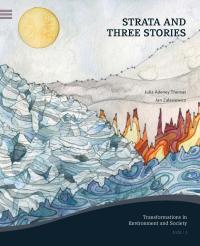
Jan Zalasiewicz presents the mounting evidence of the Anthropocene as a proposed geological epoch and points to the possible trajectories of planet Earth.
Jan Zalasiewicz presents the mounting evidence of the Anthropocene as a proposed geological epoch and points to the possible trajectories of planet Earth.
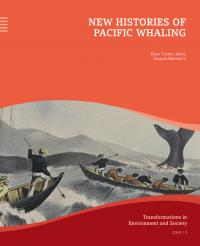
Lissa Wadewitz juxtaposes the American animal welfare movement with American whaling crews.
Nancy Shoemaker considers the four main products harvested in the nineteenth-century sperm whale trade.
Kate Stevens and Angela Wanhalla explore the role of Māori women in nineteenth-century shore-whaling.
Susan A. Lebo analyzes three decades of newspaper articles reporting whaling in Hawaiian waters from the 1840s.
Vicki Luker details the important role played by tabua—or whales’ teeth—in Fijian history.
Noell Wilson details Japanese attempts to integrate modern-day Hokkaido into the Tokugawa political sphere via drift-whale policy.
Jakobina Arch contrasts the modern Japanese whaling industry with expansionist imperial Meiji regime policies.
Akamine Jun explores foodways of whale meat in Japan, specifically detailing Baird’s-beaked- whaling in eastern Japan.
Bathsheba Demuth looks at the value of whales for indigenous peoples around the Bering Strait.