

Perspectives
The Ecology of Home
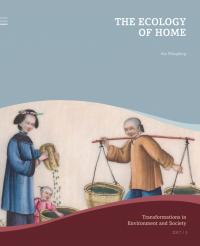
This essay examines environmental thought in China and the West to propose an “ecological history” that offers new ways to think about the human/nature relationship.
This essay examines environmental thought in China and the West to propose an “ecological history” that offers new ways to think about the human/nature relationship.

This monograph explores the history of the use of human excrement as agricultural fertilizer in China.
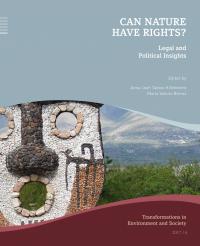
The authors of this volume explore the potential value and challenges of the Rights of Nature concept by examining legal theory, politics, and recent case studies.
Jens Kersten outlines the five possible ways of framing Nature that currently exist within our legal system.
Tabios Hillebrecht examines layers of power involved in human-nature relations, and how they can undermine Rights of Nature.
Mariqueo-Russell highlights the mutually supportive relationship between Rights of Nature and the Precautionary Principal.
Brara relates a story of contemporary India in the process of transition, where legal approaches to Nature are changing.
Berros describes some of the first cases in which Rights of Nature was directly referenced in the courts of Ecuador.
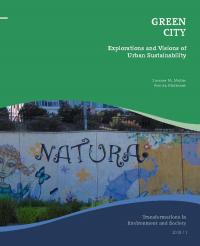
This volume explores the “green city” concept from a global and interdisciplinary perspective. Contributions examine the conflicts inherent in eco-modernization and investigate opportunities to respond meaningfully to urban environmental challenges.
Melosi analyzes the Emerald City in L. Frank Baum’s novel The Wonderful Wizard of Oz to highlight how limited perspectives on urban greenness once were.