

Multimedia | journal
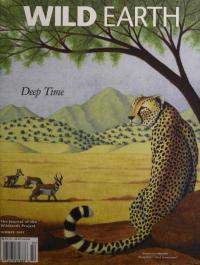
Wild Earth 12, no. 2
Wild Earth 12, no. 2, features essays on deep time and evolution, ecopsychology, animal indicators of ecosystem health, and a proposal for Pennsylvania’s Allegheny National Forest.
Wild Earth 12, no. 2, features essays on deep time and evolution, ecopsychology, animal indicators of ecosystem health, and a proposal for Pennsylvania’s Allegheny National Forest.
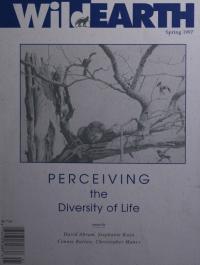
In Wild Earth 7, no. 1 David Abram rediscovers our animal senses, Stephanie Kaza analyzes assumptions and stereotypes about human-nature relations, Connie Barlow reflects on the epic of evolution, and Christopher Manes reflects on a meaningful relationship with the wild.
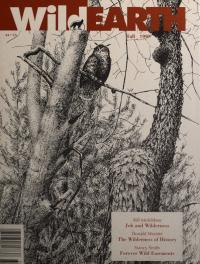
Wild Earth 7, no. 3 features contributions by Bill McKibben on “Job and Wilderness;” Donald Worster on “The Wilderness of History;” Richard Harris on the rivers of Catalonia, Spain; and Andrew Kroll and Dwight Barry on the integration of conservation and community in Colorado.
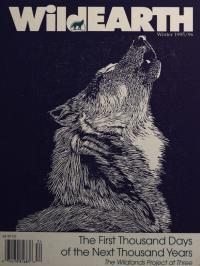
In Wild Earth 5, no. 4 Reed F. Noss reflects on what endangered ecosystems should mean to The Wildlands Project, and preliminary results of a biodiversity analysis in the Greater North Cascades ecosystem and a biodiversity conservation plan for the Klamath/Siskiyou region are presented.
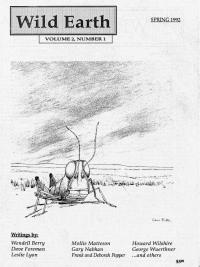
Wild Earth 2, no. 1 with essays on the ecological costs of livestock, bison hunt, trouts and their habitat, “wheeled locusts,” and off-road-vehicle trails on public lands.
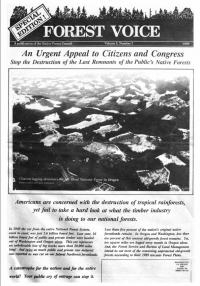
This issue of Forest Voice features photographs of deforested U.S. federal lands and argues that log exporting is both economically and environmentally foolish. It outlines appeals citizens can make to their government representatives to save national native forests.

This episode of a four-part documentary series reveals the struggles of indigenous Papua New Guineans and Canada’s First Nations people against industrial threats on their health, livelihoods and cultural survival.
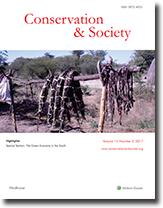
In this Special Section on the Green Economy in the South, Peter Howson reflects on the Sungai Lamandau REDD+ demonstration activity in Indonesia. He focuses on “intimate exclusions” – everyday processes of accumulation and dispossession among villagers and small-holders – to highlight the hazards of developing REDD+ projects structured with limited sympathy for marginalized actors.
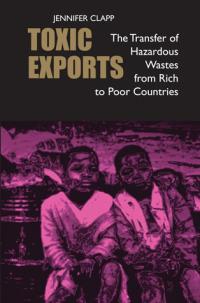
Jennifer Clapp examines the nature of international trade in toxic waste and the roles of multinational corporations and environmental NGOs. Waste transfer has become a routine practice for firms in industrialized countries and poor countries accept these imports but struggle to manage the materials safely. She argues that governments have failed to recognize the voices of protest.
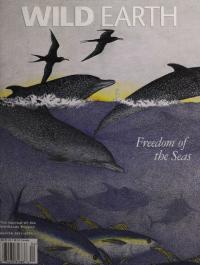
Wild Earth 12, no. 4, features an interview with Sylvia Earle on “Our Oceans, Ourselves,” essays on worldwide fishing and consumer conscience, on launching a sea ethic, and the food web complexity in kelp forest ecosystems.