


Multimedia | journal article
“Ecological Constitutionalism: A Necessity”
In view of the escalating environmental crisis, the democratic states of the Global North must ecologically transform their social and constitutional orders.
In view of the escalating environmental crisis, the democratic states of the Global North must ecologically transform their social and constitutional orders.
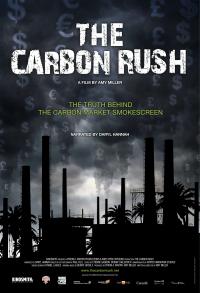
This film explores the negative impacts of the multi-billion dollar carbon offsetting industry on those people who are most impacted but least heard.
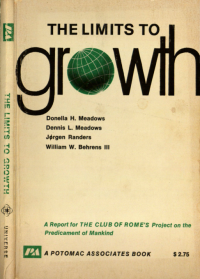
Book profile for The Limits to Growth.

A collection of essays addressing the collaboration of human and natural forces in the creation of cities, the countryside, and empires.
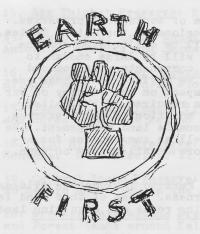
In this memo to “the leading intellectual and literary lights of EARTH FIRST,” Dave Foreman drafts the principles of the new Earth First organization, along with a draft membership brochure.
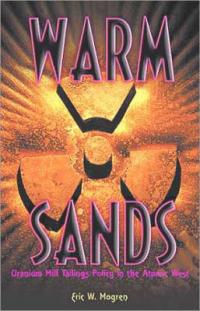
Warm Sands gives an institutional analysis of how the debates over legal and political authority, scientific expertise, and public health and safety both delayed and shaped the formation of mill tailings policy in the United States.
The authors use ecological theory to understand the spread, establishment, and dominance of three introduced organisms in New Zealand after episodes of natural and artificial environmental disturbance create opportunities for them to thrive.
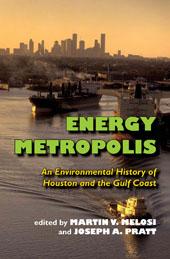
A comprehensive history of the development of Houston, examining the factors that have facilitated large-scale energy production and unprecedented growth—and the environmental cost of that development.

In this issue of Earth First!, Chant Thomas writes about the “Return to Bald Mountain” and the “second battle of the North Kalmiopsis,” while Roger Featherstone gives an update on the fight against uranium mining at the Grand Canyon.
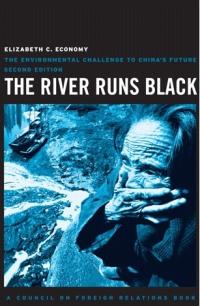
In The River Runs Black, Elizabeth C. Economy examines China’s growing environmental crisis and its implications for the country’s future development.