Western Tourism
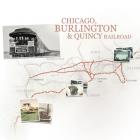
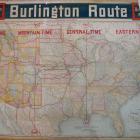
When CB&Q rails reached Denver, Colorado in 1882, it became the first railway to provide a connection between Denver and Chicago on the lines of a single system. It also positioned the CB&Q as part of a transcontinental route through rail connections in Denver.
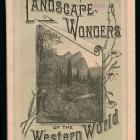
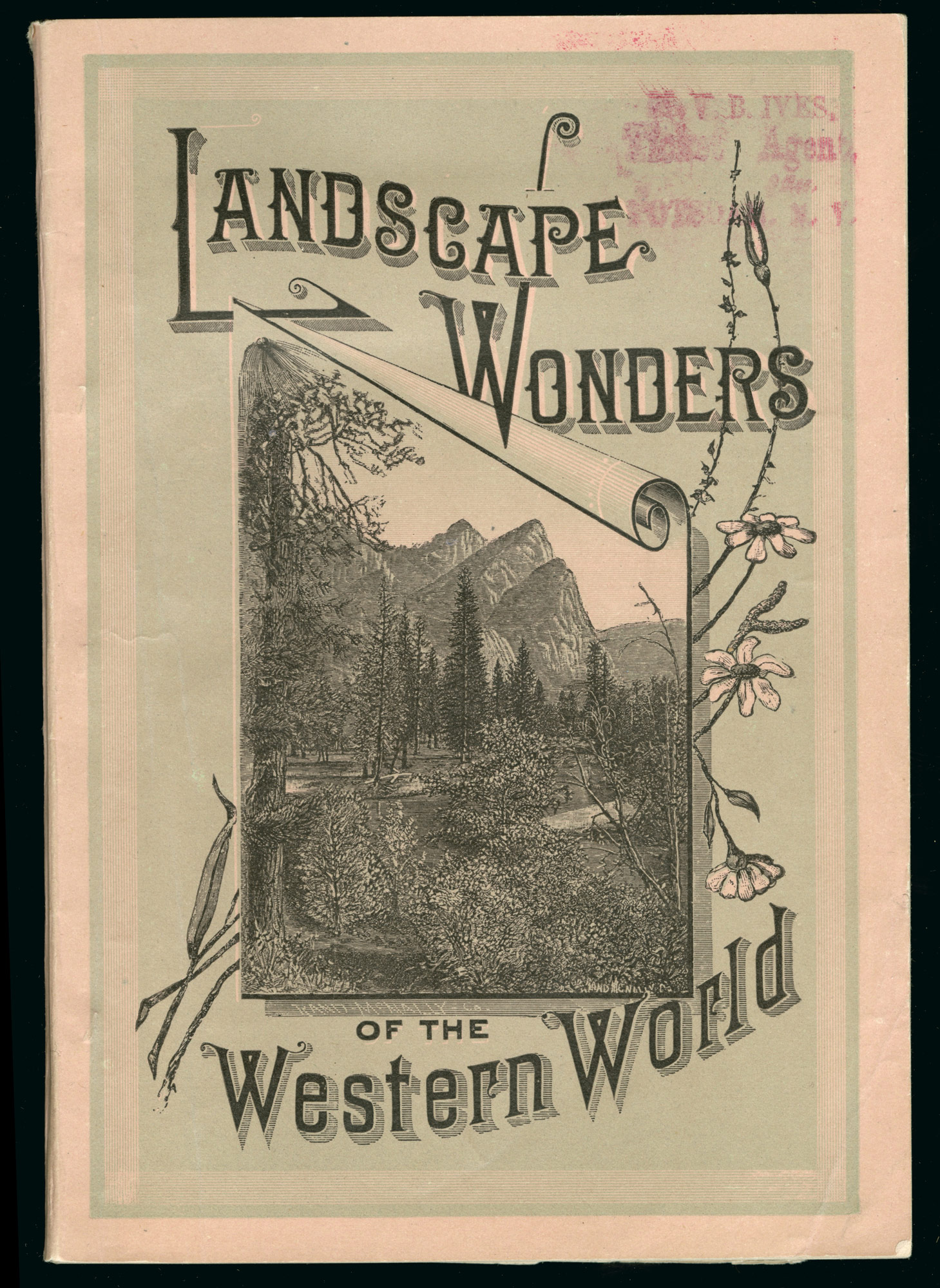
This is an example of the type of literature produced to entice tourists to see America via the Burlington Route. Beautifully illustrated inside as well as out, the book sets the Burlington Route in a global context, with a folding map showing routes stretching out around the globe from the Burlington lines. The text and pictures convey what it is like to travel the Burlington Route to California and the Pacific Slope.
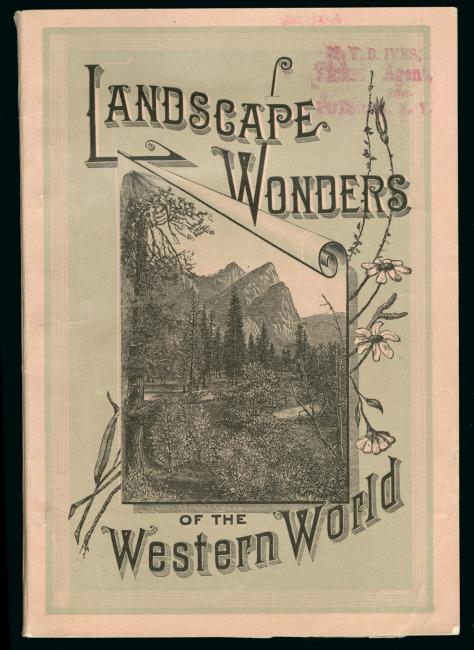
Cover, Landscape Wonders of the Western World brochure, 1883.
Cover, Landscape Wonders of the Western World brochure, 1883.
Courtesy of Newberry Library Chicago. Ayer F595 L25.
Used with permission of the Newberry Library. With questions about reuse of this image, contact the Newberry Library.
The copyright holder reserves, or holds for their own use, all the rights provided by copyright law, such as distribution, performance, and creation of derivative works.

“Off for the Lofty Shaded Hills and Cooling Mountain Rills” advertisement, Handbook of Colorado, pp. 8–9, 1897.
“Off for the Lofty Shaded Hills and Cooling Mountain Rills” advertisement, Handbook of Colorado, pp. 8–9, 1897.
Courtesy of Newberry Library Chicago. CB&Q Misc. Bx. #1.
Used with permission of the Newberry Library. With questions about reuse of this image, contact the Newberry Library.
The copyright holder reserves, or holds for their own use, all the rights provided by copyright law, such as distribution, performance, and creation of derivative works.
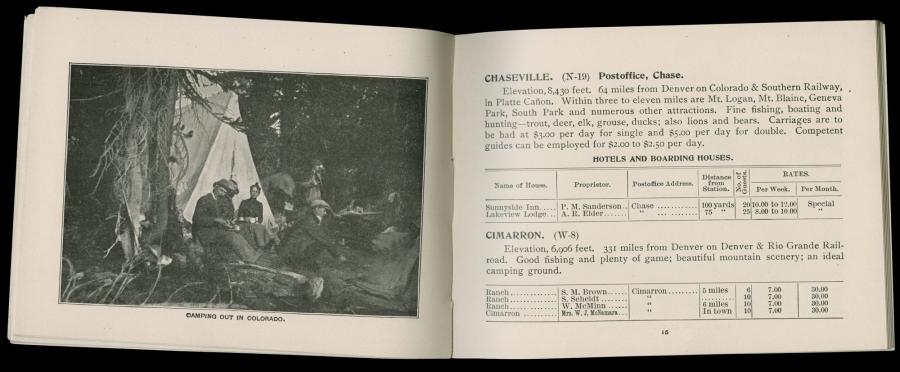
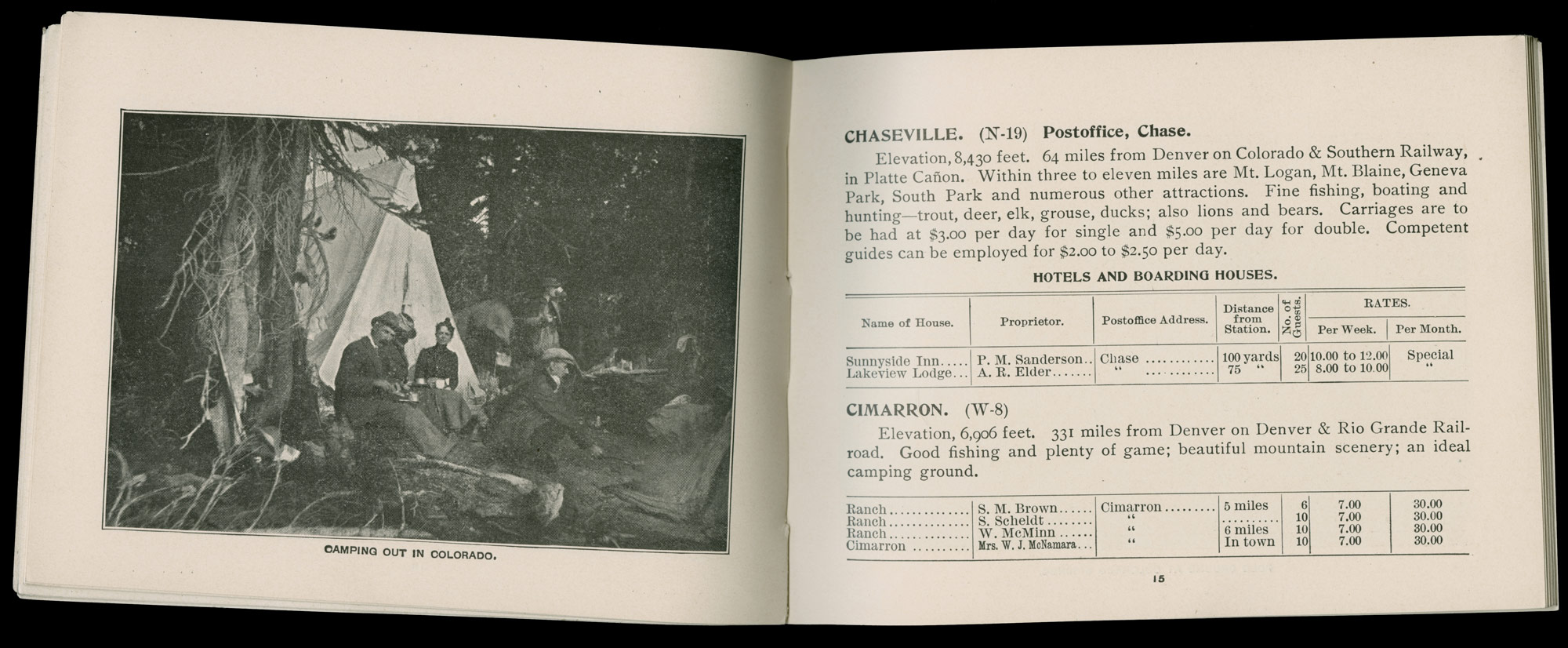
“Camping Out in Colorado” advertisement in Handbook of Colorado, pp. 14–15, 1897.
“Camping Out in Colorado” advertisement in Handbook of Colorado, pp. 14–15, 1897.
Courtesy of Newberry Library Chicago. CB&Q Misc. Bx. #1.
Used with permission of the Newberry Library. With questions about reuse of this image, contact the Newberry Library.
The copyright holder reserves, or holds for their own use, all the rights provided by copyright law, such as distribution, performance, and creation of derivative works.
While scenic tours and overland excursions represented a passive tourist experience, much of the Burlington’s tourist literature promised a more participatory and active experience. Bicycling, camping, hiking, and other activities were becoming popular pastimes in the 1890s.
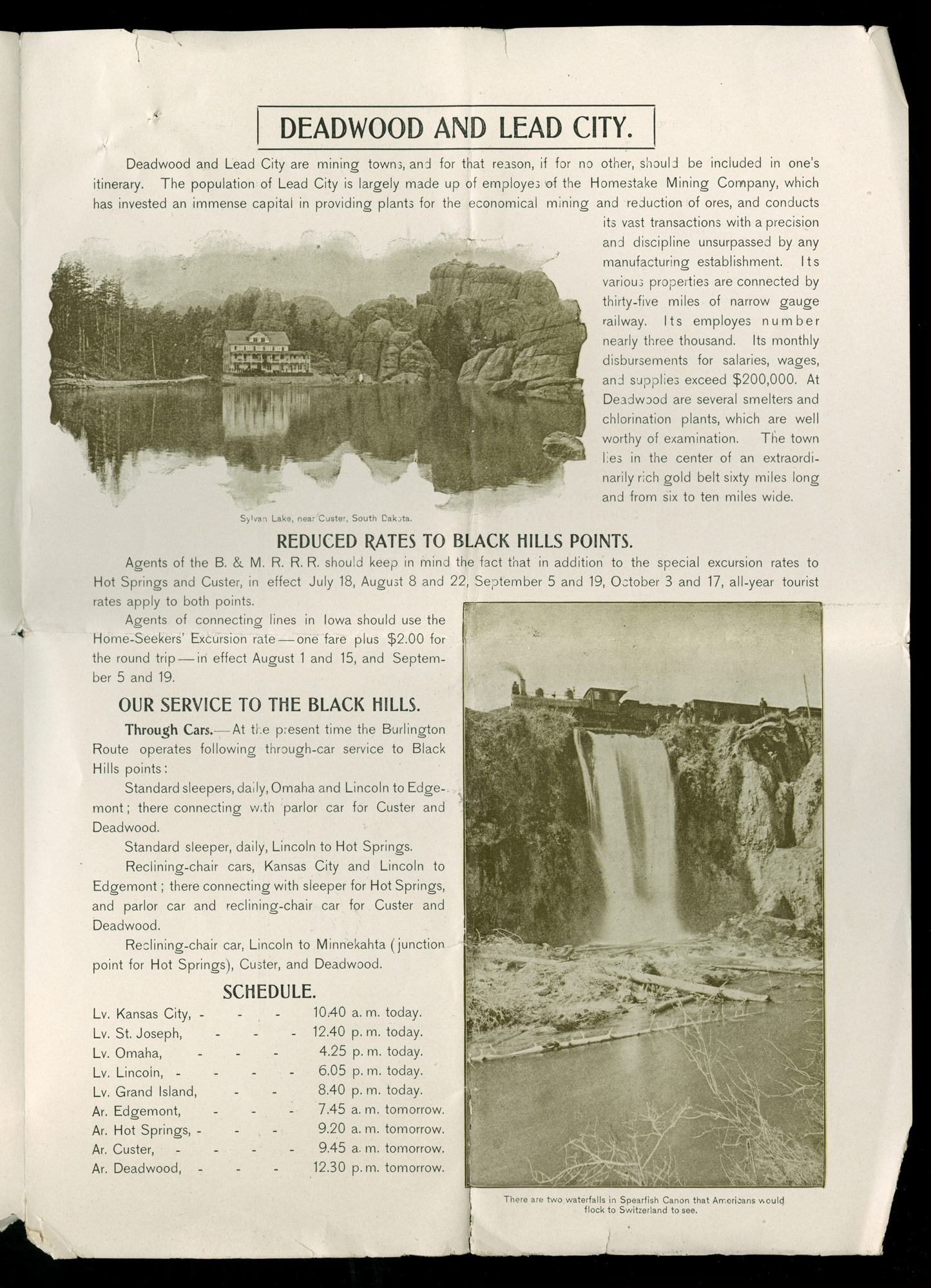
In the nineteenth century, the dichotomy between nature and industry was not as clear. Future metropolises (and would-be future metropolises) often promoted smokestack industries at the same time they extolled the natural escapes their towns provided. Apparently lacking any sense of irony, the illustration shows one of two waterfalls at Spearfish Canyon that “Americans would flock to Switzerland to see.” Only in America could you park a steam engine right at the top of the falls!
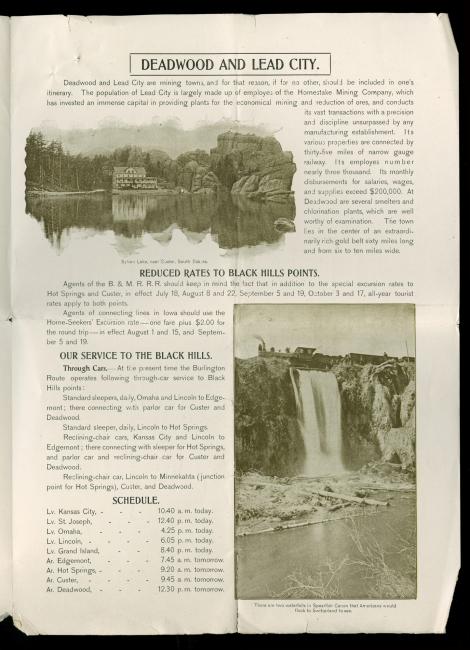
CB&Q Summer Resorts of the Black Hills brochure, p. 3, “Deadwood and Lead City,” 1899.
CB&Q Summer Resorts of the Black Hills brochure, p. 3, “Deadwood and Lead City,” 1899.
Courtesy of Newberry Library Chicago. CB&Q Brochures.
Used with permission of the Newberry Library. With questions about reuse of this image, contact the Newberry Library.
The copyright holder reserves, or holds for their own use, all the rights provided by copyright law, such as distribution, performance, and creation of derivative works.
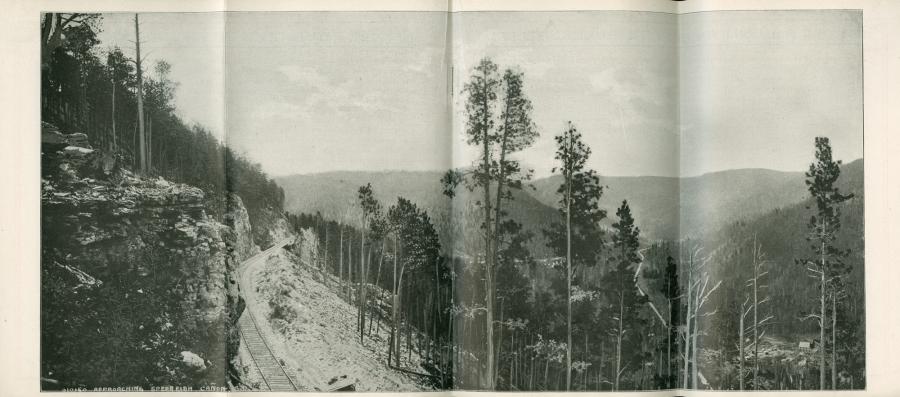
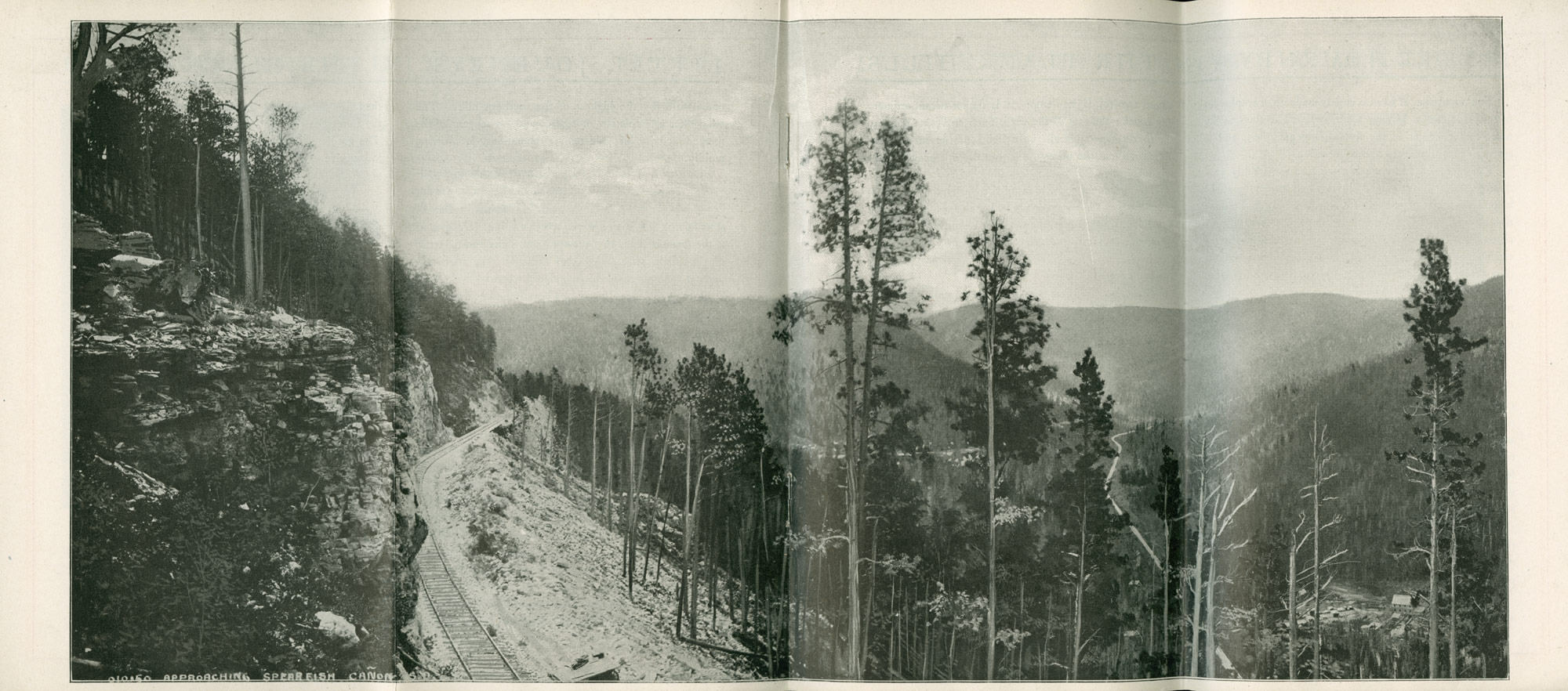
Approaching Spearfish Canyon. Photograph from Little Journeys in the Black Hills brochure, 1900.
Approaching Spearfish Canyon. Photograph from Little Journeys in the Black Hills brochure, 1900.
Courtesy of Newberry Library Chicago. CB&Q, Brochures.
Used with permission of the Newberry Library. With questions about reuse of this image, contact the Newberry Library.
The copyright holder reserves, or holds for their own use, all the rights provided by copyright law, such as distribution, performance, and creation of derivative works.
This image is rich with examples of landscape transformations along the railroad to Spearfish Canyon. There is evidence of erosion near the tracks, and deforestation in the left foreground in what looks like a homestead, lumber camp, or possibly barracks for railroad workers near a road traversing the valley below.

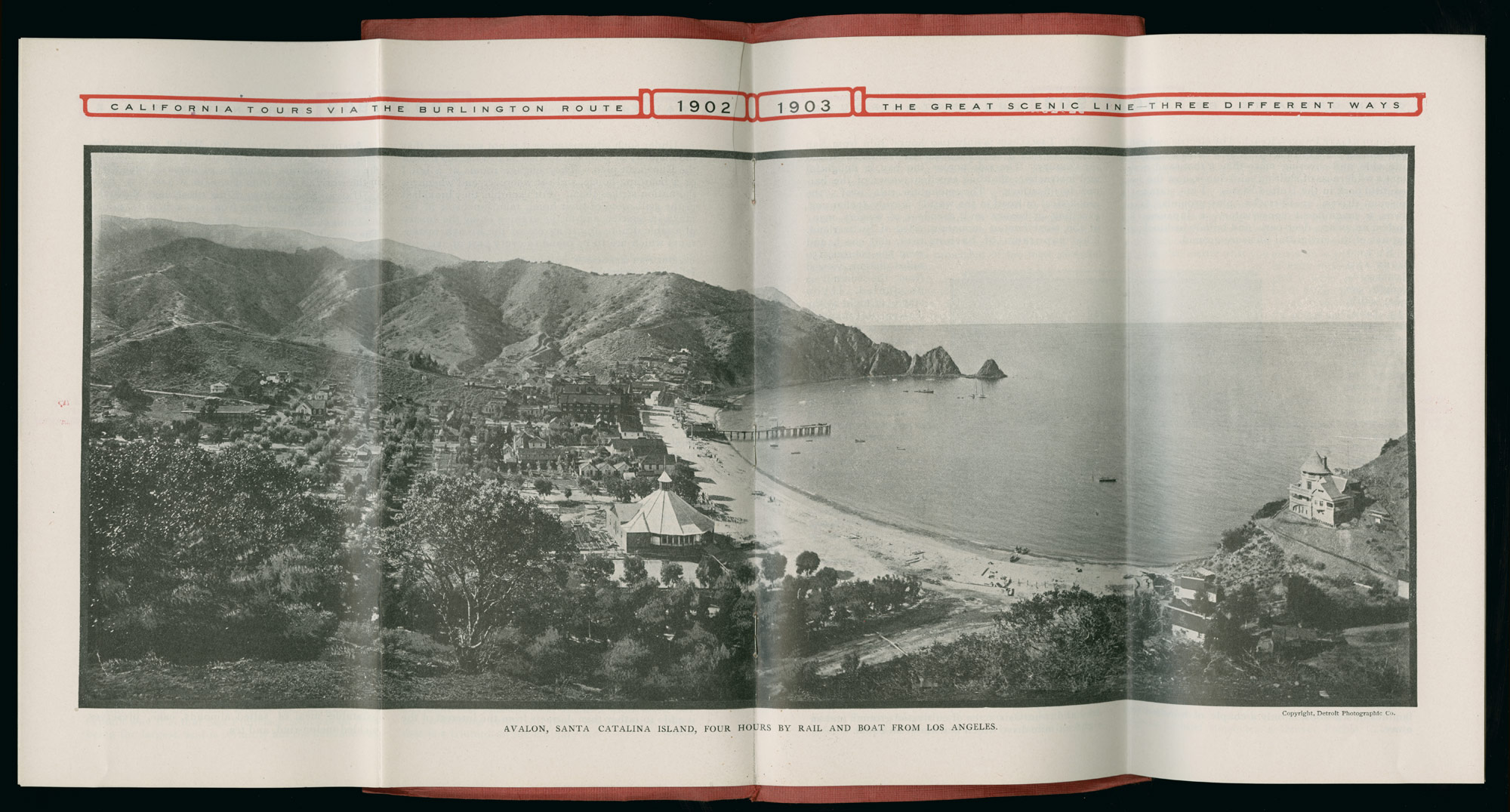
“Avalon, Santa Catalina Island, four hours by rail and boat from Los Angeles, 1902–1903.”
“Avalon, Santa Catalina Island, four hours by rail and boat from Los Angeles, 1902–1903.”
Newberry Library Chicago. CB&Q, Overland Excursions Brochures.
Used with permission of the Newberry Library. With questions about reuse of this image, contact the Newberry Library.
The copyright holder reserves, or holds for their own use, all the rights provided by copyright law, such as distribution, performance, and creation of derivative works.
This brochure offers the opportunity to escape from the mainland to a romantic island getaway. Catalina Island has an interesting natural and human history. At the time the picture was taken, it had been open to tourists for about a decade. Avalon was established as a resort, the name inspired by Alfred, Lord Tennyson’s poem about King Arthur.
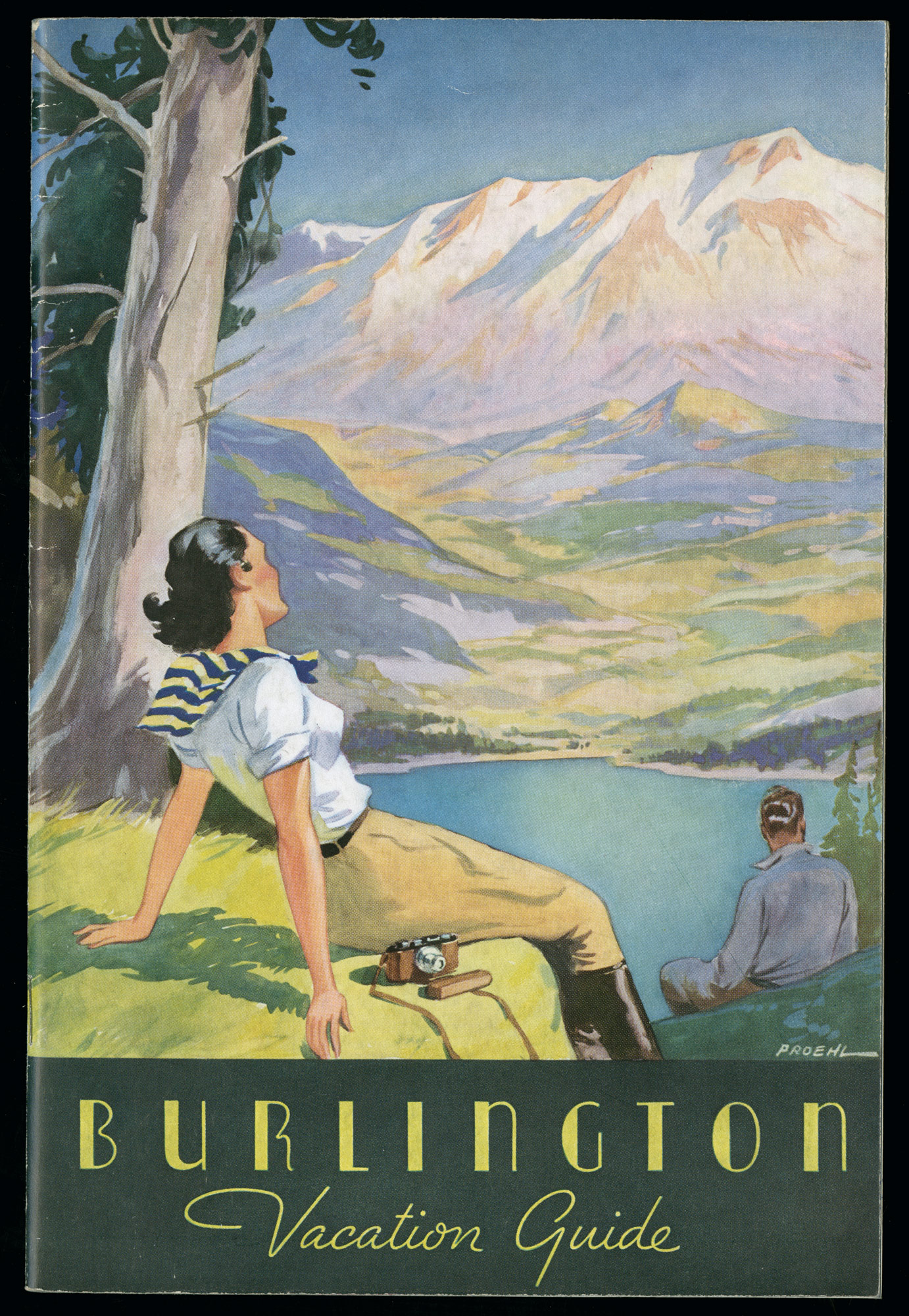
A common motif in Burlington booster literature is a man and woman together admiring a beautiful scene. This cover (below) is illustrated by Chicago commercial artist Paul Proehl (1887–1965). Proehl was a prolific artist whose work appeared in national publications. In addition to the Burlington, he produced posters and calendars for the Illinois Central and the Chicago & Northwestern railroads. In 1940 he produced a poster for United Airlines that shows a route that looks very much like the Burlington route—more foreshadowing of the changing transportation landscape.
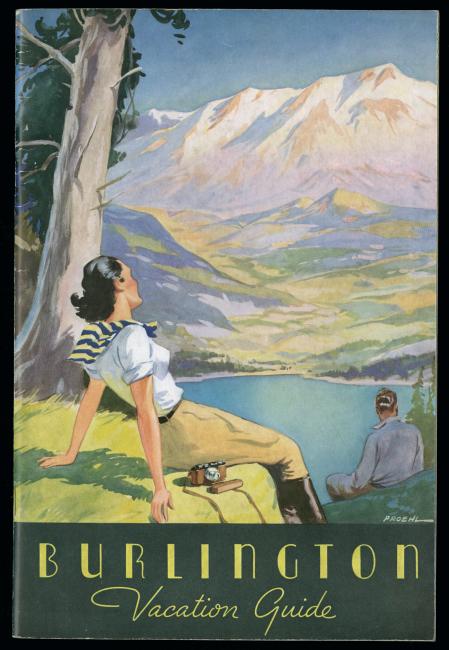
Cover, illustrated by Paul Proehl, CB&Q Burlington Vacation Guide brochure, 1937.
Cover, illustrated by Paul Proehl, CB&Q Burlington Vacation Guide brochure, 1937.
Courtesy of Newberry Library Chicago. CB&Q Misc. Bx. #2.
Used with permission of the Newberry Library. With questions about reuse of this image, contact the Newberry Library.
The copyright holder reserves, or holds for their own use, all the rights provided by copyright law, such as distribution, performance, and creation of derivative works.

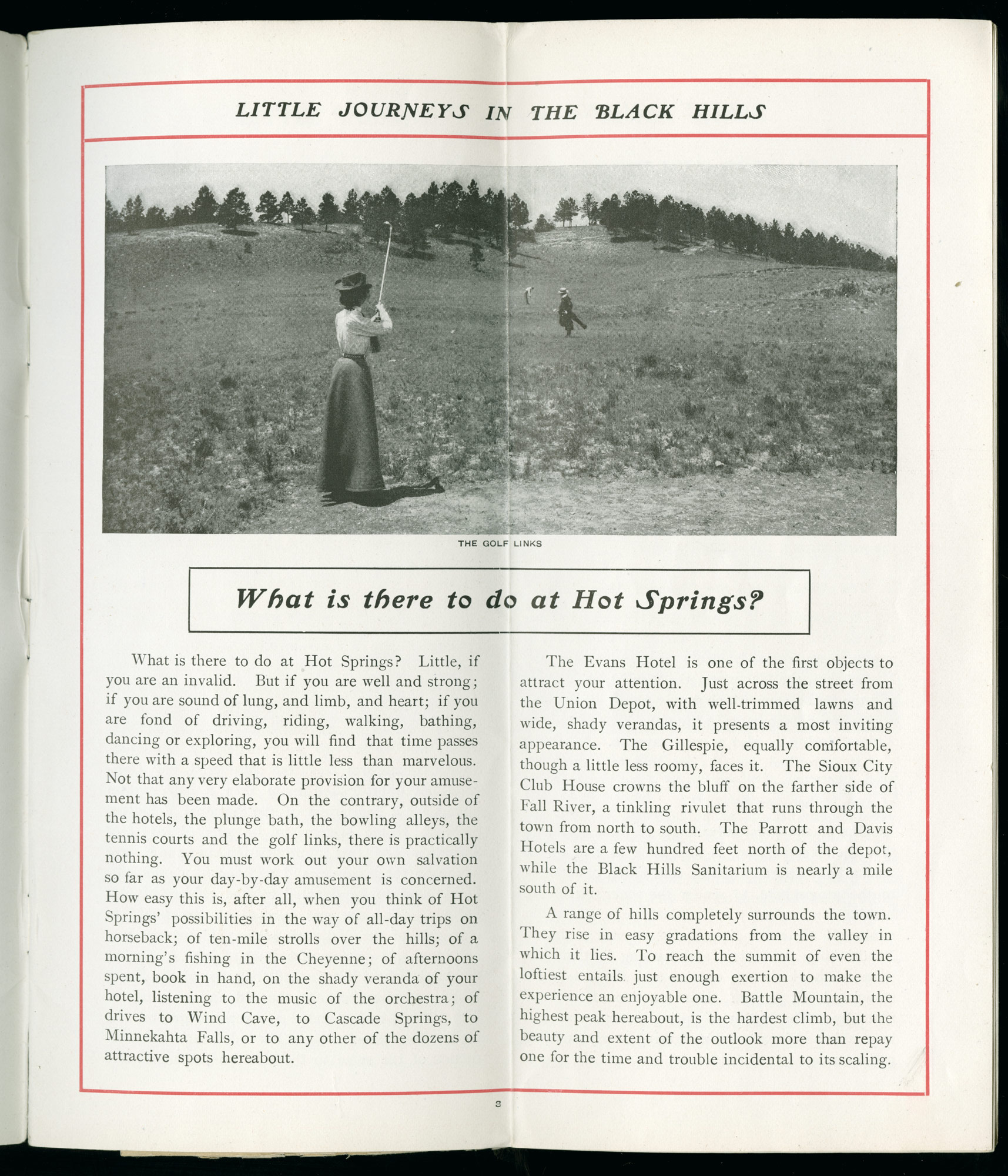
The “golf links,” Little Journeys in the Black Hills, p. 3, 1906.
The “golf links,” Little Journeys in the Black Hills, p. 3, 1906.
Courtesy of Newberry Library Chicago. CB&Q Misc. Bx. #2.
Used with permission of the Newberry Library. With questions about reuse of this image, contact the Newberry Library.
The copyright holder reserves, or holds for their own use, all the rights provided by copyright law, such as distribution, performance, and creation of derivative works.
This brochure above on the right encourages visitors to engage in a variety of independent outdoor activities of varying degrees of ruggedness: “all-day trips on horseback … ten-mile strolls over the hills … fishing on the Cheyenne” or simply reading “on the shady veranda of your hotel, listening to the music of the orchestra.”
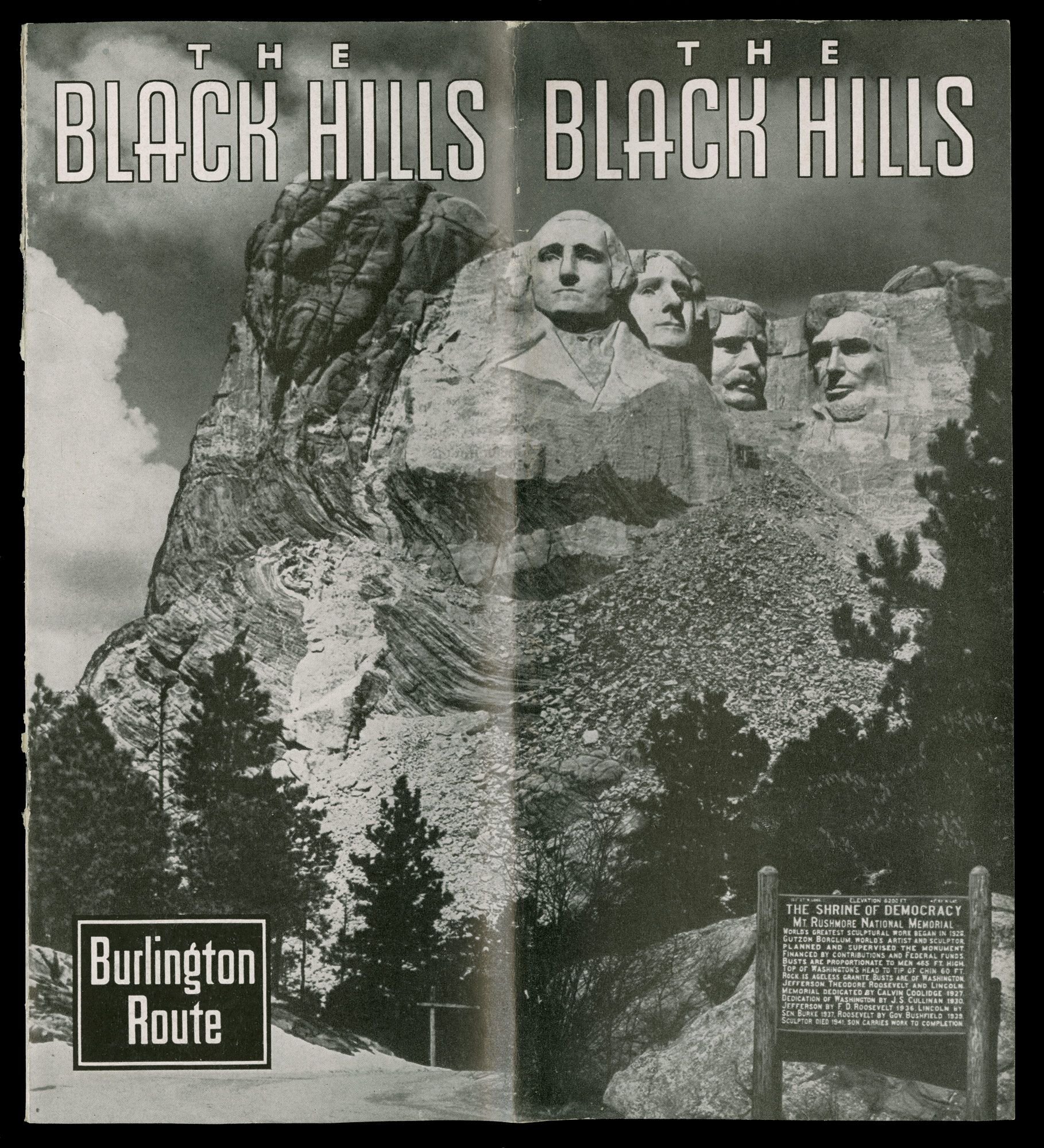
A typical image of iconic Mount Rushmore, “Shrine of Democracy,” along the Burlington Route.
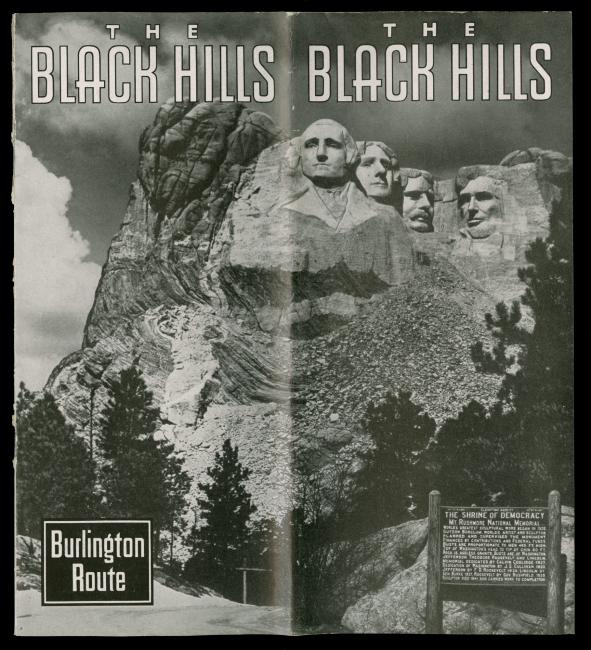
Cover of The Black Hills, showing Mount Rushmore, 1949.
Cover of The Black Hills, showing Mount Rushmore, 1949.
Courtesy of Newberry Library Chicago. CB&Q Misc. Bx. #2.
Used with permission of the Newberry Library. With questions about reuse of this image, contact the Newberry Library.
The copyright holder reserves, or holds for their own use, all the rights provided by copyright law, such as distribution, performance, and creation of derivative works.
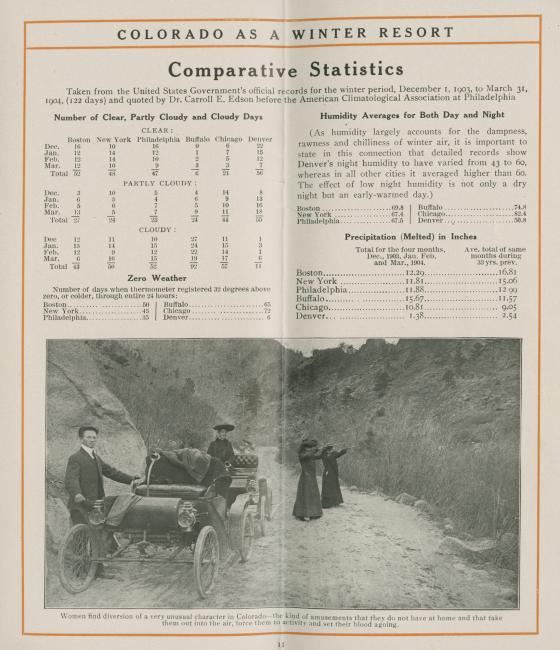
CB&Q Colorado as a Winter Resort brochure including comparative statistics, p. 11, 1905.
CB&Q Colorado as a Winter Resort brochure including comparative statistics, p. 11, 1905.
Courtesy of Newberry Library Chicago. CB&Q Brochures.
Used with permission of the Newberry Library. With questions about reuse of this image, contact the Newberry Library.
The copyright holder reserves, or holds for their own use, all the rights provided by copyright law, such as distribution, performance, and creation of derivative works.
We see a rugged road, a primitive car, the type without a proper steering wheel, the man (by the car) and the three women, two of whom are shooting at a target outside the frame of the picture, are all well dressed. The image caption reads:
Women find diversion of a very unusual character in Colorado—the kind of amusements that they do not have at home that take them out into the air, force them to activity that set their blood agoing.
Promotion and Transformation of Landscapes along the CB&Q Railroad
This virtual exhibition shows some of the many ways railroads reshaped landscapes of the American West between 1847 and 1965.
This version 2, published in 2020, includes minor updates to the original 2011 virtual exhibition (view PDF here) and applies the Environment & Society Portal’s responsive layout.
Eric OlmansonAbout the author