Polluted Water
This article discusses the shift in perception regarding polluted water. When did perceptions of polluted water change, when was it no longer considered a part of everyday life? And what caused the tide to turn?
In this chapter of her virtual exhibition “Human-Nature Relations in German Literature,” Sabine Wilke shows how topics of pollution and waste in German-language writing reach back to the nineteenth century, when the production of industrial waste—and pollution of the air, ground, and water—first began to occur on a massive scale. For the German-language version of this exhibition, click here.
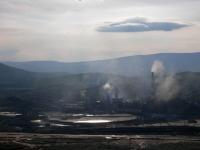
Karabash is one of the largest copper-smelting centers in Russia and open-pit copper extraction has been conducted there since 1837. In 1996, Karabash and its surrounding area were declared an ecological disaster zone. The city is still considered to be one of the most polluted places in the world.
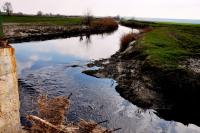
This article investigates the pollution of the Ergene River as an outcome of the hegemonic cosmology in Turkey.
The pollution of the Herbert River with tin dredge effluent after 1944 sparks the first Act specifically to control water pollution in the Australian state of Queensland.
This article examines water pollution and its control in the United States from the turn of the twentieth century until after the Second World War, a period during which water pollution became an interstate problem.
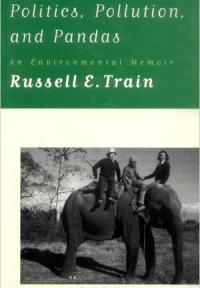
A memoir of the author’s life and his strong interests in wildlife, conservation, and major environmental organizations.
Rural villagers in China have a sophisticated awareness of the risks they face due to pollution, yet they often feel that they are helpless to improve their situation.
This paper explores how an expert body, The Investigation of Atmospheric Pollution, was established in the face of different interests and agendas, the importance (and difficulties) of technical standard-setting with reference to environmental pollution, and, finally, the uses of environmental monitoring.